SUMMARY:
Dirty HVAC coils quietly raise your energy bills, weaken airflow, shorten equipment life, and trigger costly emergency repairs. Regular condenser and evaporator coil cleaning restores efficiency and comfort while protecting your investment. Inspect twice yearly, clean based on your building’s real conditions, and track results to prove the value.
If there’s one maintenance task that’ll determine your energy bills, comfort level, and the risk of a mid-summer HVAC breakdown, it’s cleaning dirty HVAC coils. Coils drive heat transfer, and heat transfer drives HVAC performance. That’s the heart of your HVAC system.
When the coils are clean, everything downstream works as it should. When they’re not, you’ll have rising electricity bills on your hands, complaints about hotspots, and frequent breakdowns, especially when demand goes up. That’s why you should not overlook how much commercial HVAC coil cleaning matters.
This post breaks down what dirty HVAC coils do to your energy costs, airflow, equipment life, and repair risk. It also covers how often you should clean them and what a proper cleaning includes.
What Dirty Coils Actually Do to a Commercial HVAC System
Commercial HVAC systems often run round the clock. That means even the smallest losses from dirty HVAC coils add up quickly. It turns a minor HVAC maintenance task (or lack thereof) into a major drain on your monthly budget.
Impact 1: Dirty HVAC Coils Increase Monthly Utility Bills
With dirty HVAC coils, your system has to run longer to reach the same thermostat setting you set every day. Your compressor works harder because poor heat rejection at the condenser leaves it fighting higher pressures. Additionally, your fans start drawing more power as restricted airflow raises resistance across the coil face.
The commercial rate for electricity in NY is currently 23.56¢/kWh, so every extra kilowatt-hour your dirty HVAC coils waste hits your bottom line harder.
Worse still, this waste rarely shows up overnight. It grows gradually, which makes it easy to miss without regular inspections. On those brutal summer afternoons in NY, a strained system also raises your peak demand risk. Peak demand charges can take a real bite out of your budget.
Condenser coil cleaning restores heat rejection and lowers the workload. That means steadier energy use for you and far fewer shocks when your utility bill lands. Try tracking your kilowatt-hour usage before and after a cleaning, and you’ll get a clear picture of what neglecting commercial HVAC cleaning was costing you.
Impact 2: Reduced Airflow Leads to Hot and Cold Spots
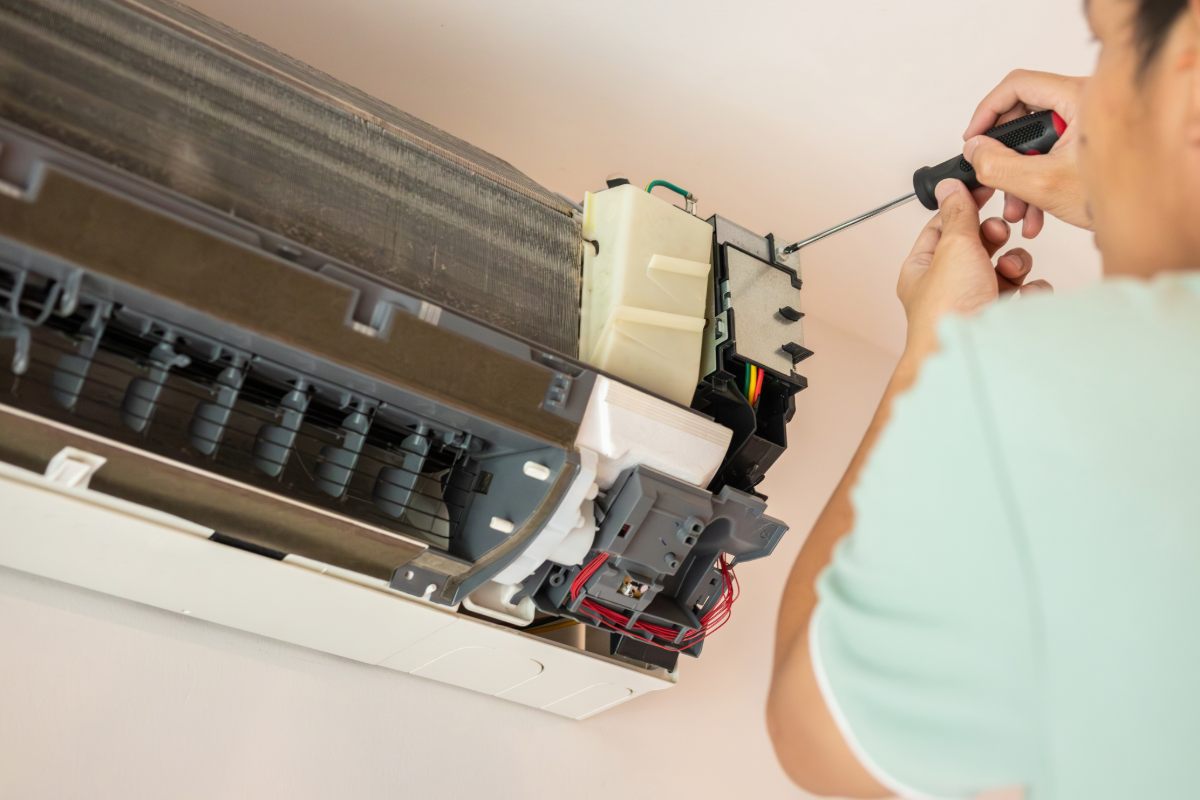
When your evaporator coils clog, airflow across the coil face drops. That restriction shows up as hot and cold spots throughout your building. Offices, retail floors, and multi-tenant spaces feel the difference first, since occupants complain the moment their comfort slips.
Weak airflow also slows down your pull-down times. After doors open during deliveries or those busy lunch rushes, your spaces take longer to recover. Indoor humidity climbs as coil performance drops, which makes your rooms feel sticky even when the temperature reads just right.
These issues typically mean calling a professional for emergency checks and repairs. This pulls your in-house maintenance crew away from other critical tasks and drains your monthly budget as you have to call HVAC experts more often.
Regular evaporator coil cleaning clears the coil face, restores airflow, and keeps temperatures even across your building or facility. It cuts down on the daily distraction of chasing complaints that all trace back to one preventable problem.
Impact 3: Shortened Equipment Life from Higher Stress on Key Components
Dirty HVAC coils also shorten the working life of most expensive components. High head pressure from a dirty condenser stresses the compressor and the electrical parts that support it. That, in turn, pushes those parts toward premature failure.
Restricted airflow piles extra strain on your blower motors and belts. They have to work harder to move air through your clogged system, and that constant load wears them out much sooner. Your system also cycles more often and runs longer, shortening its service life.
Clean coils, on the other hand, provide stable pressures, steady temperatures, and consistent performance. They protect the equipment you already invested in and keep your HVAC efficiency right in the range where it belongs. That’s how routine commercial HVAC cleaning helps you avoid replacing a compressor years earlier than you should.
Impact 4: Costly Repairs and Emergency Calls That Often Start With Dirty HVAC Coils
Many emergency calls trace straight back to dirty HVAC coils. When your condenser coil clogs, pressure climbs until your system hits a high-pressure lockout or trips the compressor. As far as the evaporator is concerned, restricted airflow can cause your coil to ice over, which leaves you with no cooling and possible damage on your hands.
It can also block proper drainage, and before you know it, you’re dealing with drain pan overflow and water damage. Sensors and controls also struggle when temperatures and pressures drift outside their normal range, triggering those nuisance faults that are so hard to pin down.
Emergency work always costs you more than preventative HVAC maintenance. It disrupts your business hours, frustrates your tenants, and shows up at the worst possible time. Proactive commercial HVAC coil cleaning keeps these small problems from turning into those dreaded after-hours breakdowns.
Maintenance Frequency: How Often Your Commercial Coils Should Be Cleaned
A solid baseline is to inspect your coils twice a year and clean based on condition and performance readings. These inspections reveal what the coil looks like, while your performance data tells you how it behaves. Let both guide your commercial HVAC coil cleaning schedule.
Some sites, like the following, need more frequent attention:
- Restaurants and commercial kitchens deal with grease buildup.
- Gyms produce heavy dust and moisture.
- Manufacturing plants, warehouses, and buildings near construction pull in more airborne debris.
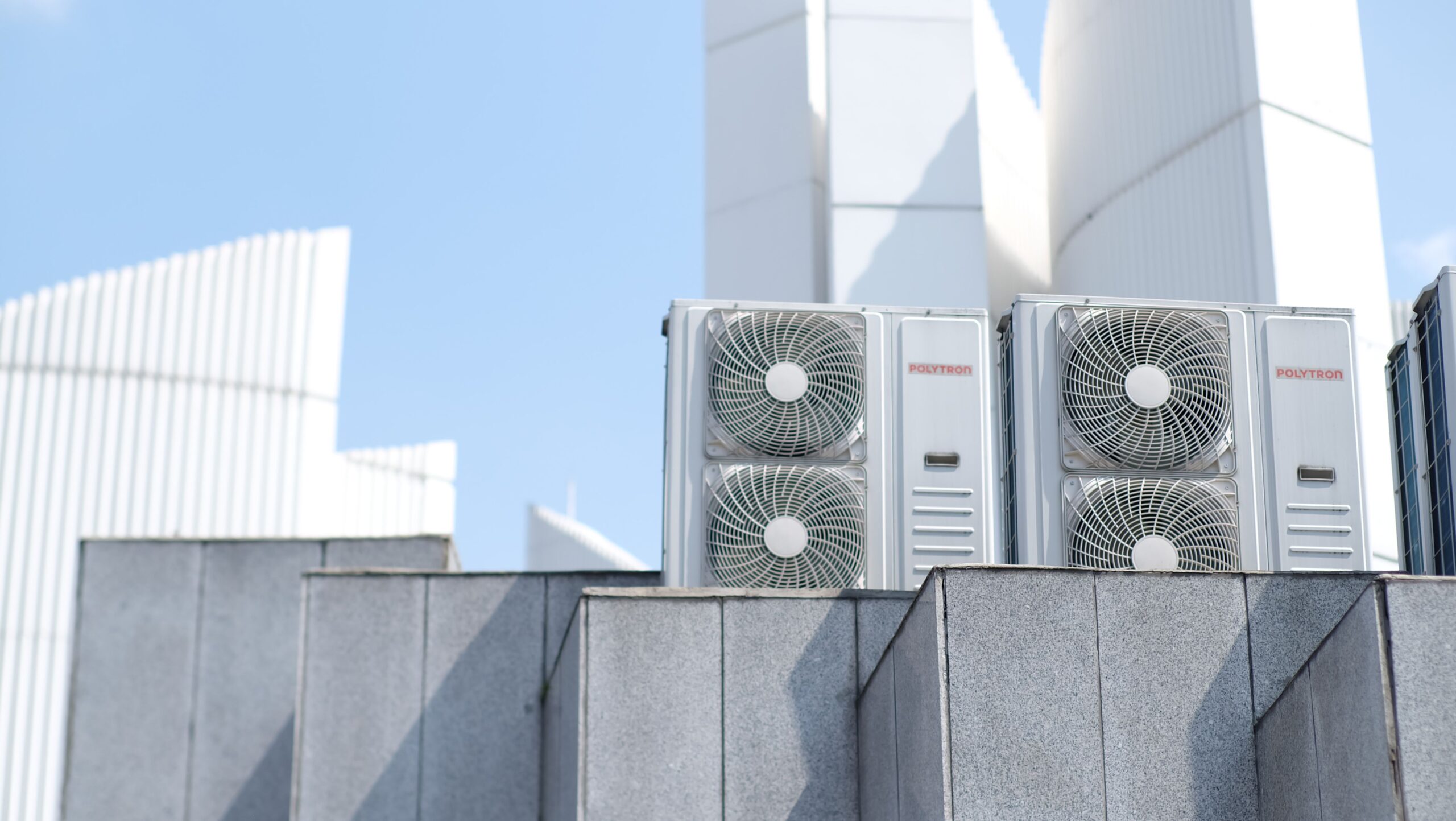
In these spaces, waiting a full year invites trouble. Outdoor condensers deserve seasonal cleaning and debris checks too, especially during heavy pollen periods in spring, since matted and clogged fins cut heat rejection fast.
Keep an eye out for these performance clues between visits:
- Rising energy use and longer runtimes.
- A declining temperature split across your coil.
- Higher operating pressures.
- Repeated comfort complaints.
Your best move is to document coil condition and readings at every visit. Clear records justify your budget requests and help you time commercial HVAC coil cleaning based on evidence.
What Proper Commercial HVAC Coil Cleaning Should Include
Quality work starts with identifying the coil type and the type of soil on it. You’ll need different chemicals and cleaning methods to remove grease, dust, and biological growth. Choosing the wrong product can damage the coil or leave residue behind.
Here’s what the cleaning process should look like from there:
- Protect your surrounding components and building areas from chemical runoff.
- Select the right cleaning agent for your specific coil type and soil.
- Straighten crushed fins and clear debris so your full coil face moves air freely.
- Apply the cleaner evenly and give it time to break down the buildup.
- Rinse thoroughly to remove all loosened soil and leftover product.
- Check drainage to prevent corrosion and overflow down the road.
- Confirm the results with airflow and temperature readings.
When each of these steps gets the attention it deserves, your overall HVAC efficiency increases.
Quick Checklist: Signs Your Building Needs Coil Cleaning Now
Run through this quick scan to figure out whether your coils are due for some attention:
- The system runs longer, but spaces still feel warm.
- Airflow from vents feels weaker than normal.
- Energy bills climbed without a clear operational change.
- Service calls, icing, or nuisance trips happen more frequently.
- Outdoor units look clogged with debris or show matted fins.
If two or more of these describe your building, dirty HVAC coils are a strong suspect. Addressing them restores your HVAC efficiency and prevents bigger failures down the road.
Conclusion: Put Coil Cleaning on a Schedule and Measure the Results
Dirty HVAC coils drive up your energy costs, choke airflow, shorten equipment’s life, and leave you facing costly repairs. The good news is that every one of those headaches is preventable with a customized plan. So set your inspection and cleaning frequency around your building’s actual conditions. Track a few basic metrics before and after each cleaning, like your energy use, runtime, and temperature split. Then, call a local pro like Air Ideal for commercial HVAC coil cleaning.
If you own or manage a commercial building across Mineola and Nassau County, Air Ideal is here to help. We serve industries like schools, healthcare, retail, corporate, law offices, and hospitality.
Contact us today to discuss your commercial HVAC requirements.