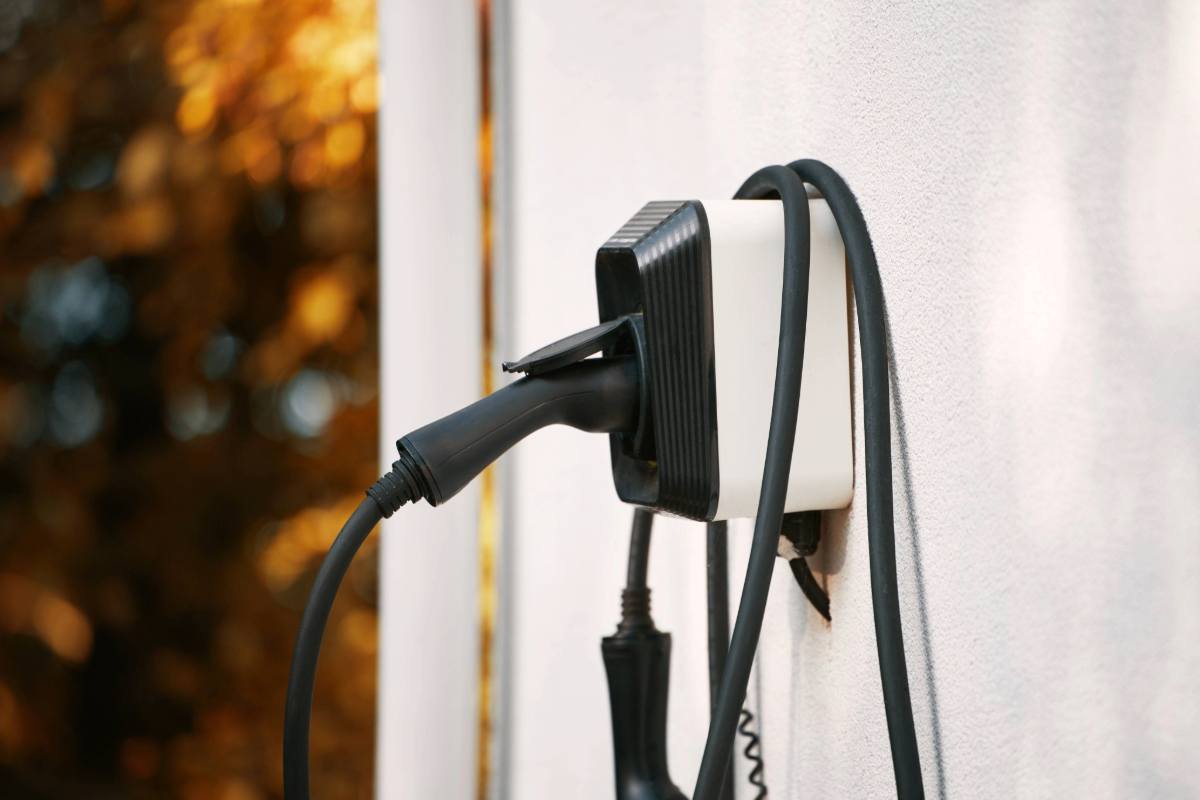
SUMMARY: As electric vehicles become more common in commercial and mixed-use buildings, EV charging stations can significantly increase electrical demand and directly impact HVAC capacity and performance. Without coordinated mechanical and electrical planning, EV loads can strain HVAC systems, reduce comfort, and lead to costly upgrades. By planning ahead with experienced HVAC professionals like Air Ideal, building owners can integrate EV infrastructure while maintaining system efficiency, reliability, and long-term cost control.
–
The rapid adoption of electric vehicles is reshaping how commercial and mixed-use buildings plan their energy use. As EV charging stations become a sought-after amenity for tenants, employees, and customers, many building owners are discovering that adding charging infrastructure is not just an electrical upgrade. It can have a direct and sometimes unexpected impact on HVAC capacity, system performance, and long-term operating costs.
For property owners and facility managers across NYC and Western Long Island, understanding how electric vehicles affect building systems is essential to avoiding comfort issues, equipment strain, and costly retrofits down the road.
How EV Charging Increases Electrical Demand
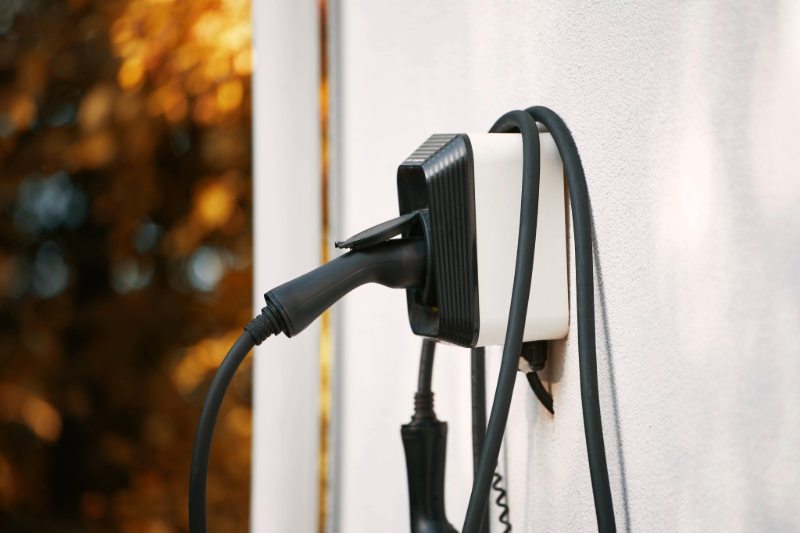
EV charging stations introduce significant new electrical loads to a building. Level 2 chargers, which are common in commercial garages and parking areas, can draw as much power as multiple residential apartments combined. Fast chargers demand even more energy over shorter periods.
This increased demand affects more than just electrical panels and transformers. When a building’s electrical infrastructure is pushed closer to its limits, HVAC systems often feel the impact first. Electrical capacity constraints can limit when and how HVAC equipment operates, particularly during peak demand periods like summer cooling season or winter heating spikes.
Without proper planning, EV charging can compete directly with HVAC systems for available power, leading to reduced performance, system cycling, or the need for emergency upgrades.
The Direct Connection Between EV Load and HVAC Capacity
HVAC capacity is carefully designed based on a building’s expected electrical availability, occupancy patterns, and thermal loads. When electric vehicles are added into the mix, those assumptions change.
Higher electrical demand can affect HVAC capacity in several ways. Mechanical equipment may not be able to run at full output during peak hours if electrical service is maxed out. Backup systems may not cover both HVAC and EV loads during outages. Cooling systems may struggle to maintain temperature in electrical rooms or garages where chargers generate additional heat.
In commercial buildings, this can translate into tenant complaints, reduced system uptime, and higher energy costs. In mixed-use properties, residents may experience inconsistent comfort or longer recovery times after peak usage periods.
Why Coordination Matters in HVAC and EV Planning
One of the most common mistakes building owners make is treating EV infrastructure as a standalone electrical project. In reality, successful EV integration requires close coordination between mechanical and electrical planning.
Evaluating HVAC capacity alongside EV demand allows engineers to identify potential bottlenecks early. This may include upsizing electrical service, adjusting HVAC system controls, or implementing load management strategies that balance EV charging with heating and cooling needs.
Smart charging systems can stagger EV loads during off-peak hours. HVAC equipment can be evaluated for energy efficiency upgrades that reduce overall electrical demand. In some cases, redesigning airflow or cooling strategies in garages and electrical rooms can prevent overheating caused by chargers.
By taking a coordinated approach, building owners can avoid reactive upgrades that cost more and disrupt operations.
Planning for Future EV Growth
EV adoption is accelerating, and the number of electric vehicles using commercial charging stations will only increase. Planning HVAC capacity for today’s needs without accounting for future EV expansion can leave buildings underprepared.
Future-proofing means considering how additional chargers, higher charging speeds, or expanded usage will affect HVAC capacity over time. Buildings that plan ahead can avoid repeated construction, minimize downtime, and maintain consistent comfort for occupants.
This is especially important in NYC, where energy regulations, sustainability goals, and grid constraints continue to evolve. Buildings that integrate EV planning with HVAC strategy are better positioned to meet compliance requirements while controlling operating costs.
Partnering With an Experienced HVAC Contractor
Successfully balancing HVAC capacity with EV infrastructure requires deep experience in mechanical design, engineering, and preventative maintenance. We bring nearly a century of HVAC expertise to commercial and high-end residential projects throughout the NY Metro area and Western Long Island.
With owner involvement at every level and factory-certified technicians experienced across all major HVAC systems, We understand how electrical changes impact mechanical performance. From evaluating existing systems to designing efficient upgrades that support electric vehicles, we help building owners make informed decisions that protect comfort, uptime, and energy efficiency.
Plan Ahead With Air Ideal
Adding EV charging stations should enhance your property, not strain your building systems. We specialize in helping commercial and mixed-use properties plan HVAC capacity that supports electric vehicles today and tomorrow.
If you are considering EV infrastructure or concerned about how new electrical loads may affect your HVAC systems, contact us to schedule a consultation and ensure your building is ready for the future of transportation and comfort.