SUMMARY: Energy-recovery ventilation and IAQ sensors are rapidly becoming standard in NYC commercial spaces as tenants and building managers demand healthier, more transparent indoor environments. IAQ sensors provide real-time monitoring of air quality factors, while ERV systems deliver fresh outdoor air with significantly improved energy efficiency, helping buildings meet comfort, cost, and sustainability goals.
—
In New York City’s dense, high-rise environment, commercial buildings face a unique challenge: keeping occupants comfortable and productive while minimizing energy waste and maintaining healthy indoor air quality (IAQ). Over the past several years (and especially post-pandemic), two technologies have moved from “nice to have” to “industry standard:” energy-recovery ventilation (ERV) systems and advanced IAQ sensors.
Today, NYC commercial spaces must deliver cleaner air, better occupant health, and improved building performance. As a leader in HVAC design, engineering, and maintenance across the NY Metro area, Air Ideal continues to stay ahead of this shift by integrating ERV solutions and real-time IAQ monitoring into both new construction and major retrofit projects. These technologies are no longer optional, they’re essential.
The New Reality: IAQ Expectations Are Higher Than Ever
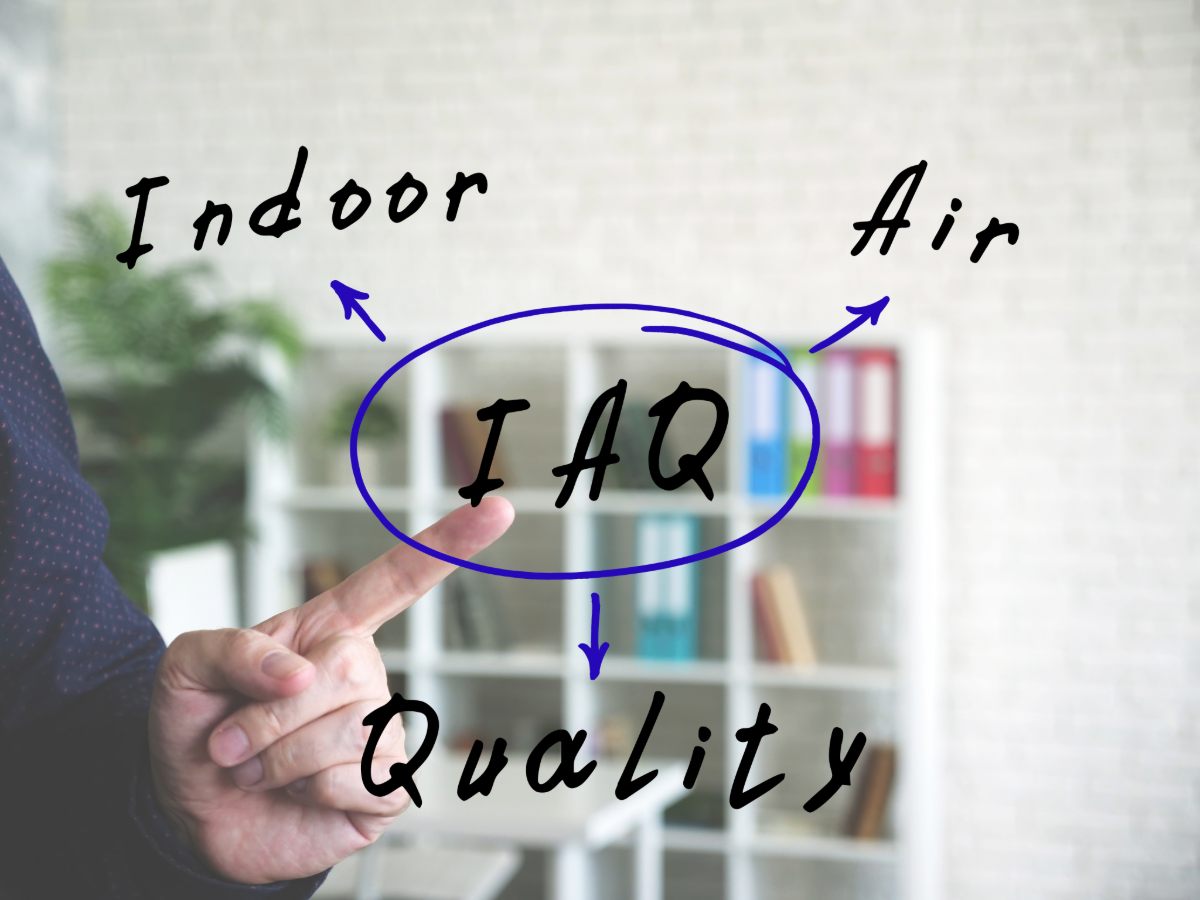
For decades, IAQ was something building managers thought about mainly when complaints came in: stale air, drafty offices, uneven temperatures, or rising energy bills. Now, commercial tenants and employees expect measurable transparency into their indoor environments.
Modern IAQ sensors provide exactly that.
Today’s IAQ sensors continuously measure factors such as:
- CO₂ levels
- Volatile organic compounds (VOCs)
- Humidity
- Particulate matter (PM2.5 and PM10)
- Temperature
- Airflow patterns
These measurements allow building operators to pinpoint ventilation needs, detect issues before they turn into costly problems, and verify compliance with standards like ASHRAE 62.1.
In NYC’s commercial spaces where density is high, occupancy fluctuates throughout the day, and energy demands are significant, real-time IAQ visibility is rapidly becoming standard. Many property managers even use IAQ dashboards to demonstrate air quality performance to tenants, improving occupant trust and increasing leasing competitiveness.
Why Energy-Recovery Ventilation Is Becoming a Must-Have
Ventilation is essential for healthy IAQ, but in a city with extreme seasons like New York, bringing in outdoor air is expensive. That’s where energy-recovery ventilation makes a measurable impact.
ERV systems capture heat and humidity from outgoing air and transfer it to incoming air, which significantly reduces heating and cooling loads. In other words, buildings get the benefit of fresh outdoor air without sacrificing energy efficiency.
For NYC commercial properties, this means:
- Lower utility costs
- Better humidity control (critical for comfort and preventing mold)
- Improved occupant health
- Reduced stress on HVAC equipment
- Higher LEED and sustainability scores
ERVs also support local regulations and initiatives focused on energy reduction, such as Local Law 97, which places emissions caps on commercial buildings. Integrating energy-recovery ventilation is one of the fastest ways to improve ventilation rates without increasing carbon output.
IAQ Sensors + Energy-Recovery Ventilation: A Powerful Combination
When IAQ sensors and energy-recovery ventilation work together, the entire HVAC system becomes smarter, more responsive, and more efficient.
Here’s how:
- Sensors detect changes in occupancy, CO₂ levels, humidity, or pollutants.
- The building automation system adjusts ventilation rates in real time.
- The ERV system tempers the incoming air with minimal energy loss.
- The HVAC system runs more efficiently, with lower peaks and less wasted airflow.
This dynamic approach creates more comfortable spaces, extends equipment life, and ensures that ventilation increases only when needed, rather than continuously, which would lead to overspending on energy.
Why We Lead the Way in IAQ and ERV Integration
As one of the most established HVAC contractors in the region, serving NYC and Long Island since 1927, we have long embraced advanced ventilation and air quality technologies. Our team brings:
- Nearly a century of HVAC expertise
- Factory-certified technicians trained across all major brands
- Deep engineering and design knowledge
- Experience with high-end commercial and institutional projects
- A commitment to sustainable, energy-efficient solutions
From new VRF and geothermal installations to complex ventilation retrofits, we help commercial property managers, facility teams, and real estate operators stay ahead of evolving IAQ standards.
Our team specializes in integrating IAQ sensors into building management systems and designing energy-recovery ventilation strategies that maximize both comfort and cost savings.
As NYC continues to raise the bar for energy performance and indoor environmental quality, we ensure our clients remain fully aligned with future-focused HVAC technology.
RETROFITTING HISTORIC BUILDINGS WITHOUT LOSING CHARACTER: HVAC STRATEGIES THAT WORK
Future-Proofing NYC Commercial Spaces Starts Now
Whether you’re operating a high-rise office, mixed-use building, or commercial facility, one thing is clear: IAQ sensors and energy-recovery ventilation are no longer optional upgrades. They’re foundational components of a modern, efficient, and healthy building.
We stand ready to help you evaluate your current HVAC system, improve your IAQ strategy, and design a sustainable ventilation plan that meets the demands of NYC’s evolving commercial landscape.
Want to optimize your building’s performance with IAQ sensors and energy-recovery ventilation? Contact us today to learn more.