SUMMARY: Semi-outdoor and adaptive reuse spaces present unique HVAC challenges due to fluctuating environmental conditions, structural limitations, and diverse occupancy needs. Effective HVAC systems in these environments require customized design, smart zoning, and careful system selection to ensure comfort, efficiency, and proper airflow. With nearly a century of experience, Air Ideal delivers expertly engineered HVAC systems tailored to nontraditional spaces, helping commercial and high-end residential projects perform reliably for the long term.
—
Retail, restaurant, and mixed-use developments across New York City are evolving rapidly. Developers and building owners are embracing semi-outdoor environments like atriums, rooftop enclosures, and open-air dining spaces, while also transforming older buildings into modern, functional destinations through adaptive reuse. While these designs create visually striking and flexible spaces, they also introduce new challenges when it comes to HVAC systems.
Designing HVAC systems for nontraditional environments requires careful planning, deep technical expertise, and an understanding of how airflow, zoning, and system selection must adapt to changing conditions. For facility managers, business owners, and property developers, getting HVAC design right is critical for comfort, efficiency, and long-term performance.
Understanding the Challenges of Semi-Outdoor HVAC Design
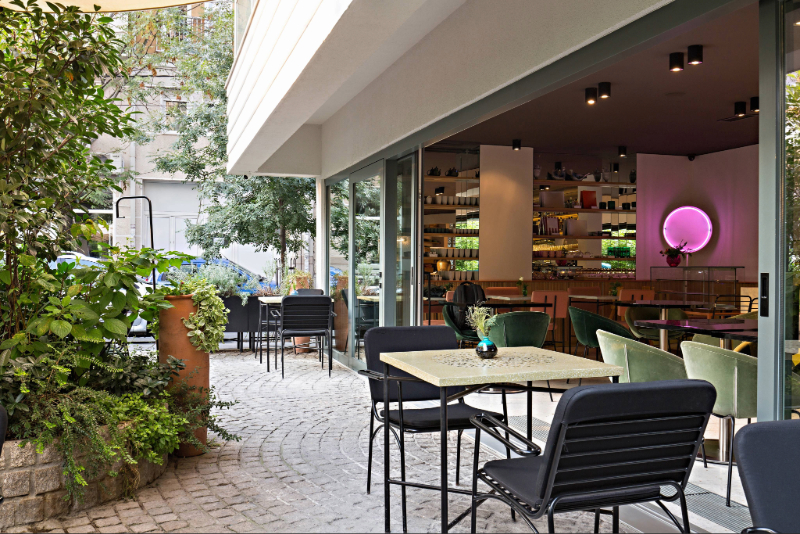
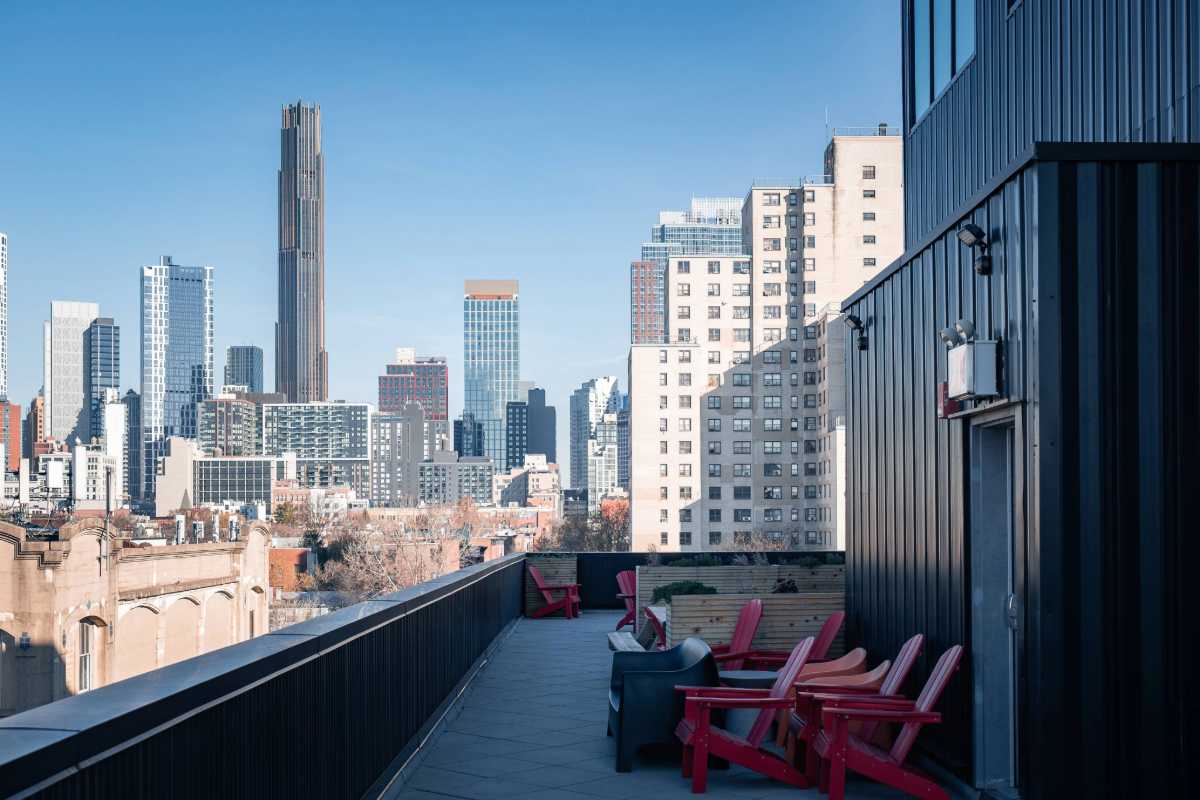
Semi-outdoor spaces sit between fully enclosed interiors and open exterior environments. Atriums, covered courtyards, operable wall systems, and retractable roof structures all blur the line between indoors and outdoors. These spaces are often exposed to fluctuating temperatures, humidity swings, solar heat gain, and air infiltration.
Traditional HVAC systems designed for sealed interiors are rarely sufficient on their own. Instead, HVAC systems must be customized to respond dynamically to changing loads. Air distribution becomes more complex, particularly in tall or open-volume areas where stratification can occur. Without proper design, warm air can collect near ceilings while occupants remain uncomfortable below.
Effective HVAC systems in semi-outdoor spaces often rely on high-efficiency air handlers, destratification strategies, demand-controlled ventilation, and smart controls that adjust output based on occupancy and environmental conditions. Zoning is essential, allowing different areas to operate independently depending on how and when they are used.
RETROFITTING HISTORIC BUILDINGS WITHOUT LOSING CHARACTER: HVAC STRATEGIES THAT WORK
HVAC Considerations for Adaptive Reuse Spaces
Adaptive reuse spaces present a different but equally complex set of challenges. Repurposing warehouses, factories, historic buildings, or former industrial spaces often means working within structural constraints that were never intended to support modern HVAC systems.
Ceiling heights, limited shaft space, aging electrical infrastructure, and preservation requirements can restrict equipment placement and duct routing. At the same time, these buildings often need to support entirely new uses such as restaurants, offices, residential units, or mixed-use environments with varying comfort demands.
When designing HVAC systems for adaptive reuse spaces, flexibility is key. Systems must accommodate diverse occupancy patterns and load profiles while integrating seamlessly into existing architecture. Variable Refrigerant Flow systems are often well suited for these applications due to their zoning capabilities, energy efficiency, and reduced ductwork requirements. Geothermal systems may also be considered where site conditions allow, particularly for projects prioritizing long-term sustainability.
Equally important is ventilation. Many older buildings lack adequate fresh air pathways. Modern HVAC systems must be designed to meet current indoor air quality standards without compromising the integrity of the structure.
THE HIDDEN COSTS OF POOR COMMERCIAL HVAC DESIGN AND HOW TO AVOID THEM
Airflow, Zoning, and System Selection Matter More Than Ever
In both semi-outdoor and adaptive reuse environments, airflow design can determine the success or failure of the HVAC system. Improper air distribution can lead to drafts, stagnant zones, excessive energy use, and occupant complaints.
Zoning allows HVAC systems to respond to how spaces are actually used throughout the day. A restaurant atrium may need aggressive cooling during peak dining hours but minimal conditioning in the morning. A mixed-use building may house offices, retail, and common areas that all require different temperature and ventilation strategies.
System selection should always be driven by the space itself, not by a one-size-fits-all approach. High-end residential conversions, commercial developments, and hospitality projects all demand HVAC systems tailored to their operational goals, energy efficiency targets, and long-term maintenance needs.
Experience Makes the Difference in Nontraditional HVAC Design
Designing HVAC systems for adaptive reuse spaces and semi-outdoor environments is not a standard design-build exercise. It requires engineering expertise, hands-on experience, and close collaboration with architects, contractors, and facility managers.
We have been serving the NY Metro area and Western Long Island since 1927, with decades of experience in HVAC design, engineering, installation, and preventative maintenance. As a family-owned business with owner involvement at every level, we understand that no two projects are alike.
With factory-certified technicians, proficiency across all major HVAC brands, and expertise in advanced systems such as Variable Refrigerant Flow and geothermal solutions, we deliver HVAC systems designed for performance, efficiency, and longevity. Their award-winning service and commitment to sustainable, forward-thinking solutions make them a trusted partner for complex commercial and high-end residential projects.
Develop Your HVAC System Confidently with Air Ideal
If you are developing, renovating, or managing a semi-outdoor environment or adaptive reuse space, your HVAC system should support your vision, not limit it. We bring nearly a century of expertise to every project, helping clients achieve comfort, energy efficiency, and system uptime in even the most challenging spaces.
Contact us today to discuss your project and discover how expertly designed HVAC systems can transform adaptive reuse spaces and semi-outdoor environments into comfortable, high-performing destinations built for the future.